Traffic signs are a major part of safe driving in India. They tell drivers when to stop, slow down, give way, avoid entry, or watch for danger ahead. For beginners, the hard part is not just seeing a sign, but understanding its meaning quickly. That is why traffic signs are one of the most heavily tested topics in the RTO exam — and one of the most common reasons candidates fail if they are not prepared.
1. Traffic Signs in India: The 3 Main Types
In India, traffic signs are grouped into three broad categories. Once you understand these categories, learning becomes much faster and more organised.
Regulatory Signs
Tell you what you must do or must not do. These control traffic movement and road discipline.
Warning Signs
Alert you to hazards or road conditions ahead. They do not force an action but tell you to slow down and stay alert.
Informatory Signs
Give useful information about services, directions, and facilities to help you travel with less confusion.
1. Regulatory Signs
Regulatory signs tell you what you must do or must not do. These are the most important signs because they control traffic movement and road discipline. Ignoring a regulatory sign is a legal offence under the Motor Vehicles Act.
- Stop sign
- No Entry sign
- No Parking sign
- No U-Turn sign
- Speed Limit sign
- Give Way sign
2. Warning Signs
Warning signs tell you about danger or road conditions ahead. They do not force an action, but they warn you to slow down and stay alert.
- School Ahead
- Sharp Curve
- Pedestrian Crossing
- Narrow Bridge
- Slippery Road
- Railway Crossing
3. Informatory Signs
Informatory signs give useful information about services, directions, and facilities. These signs help you travel with more comfort and less confusion.
- Hospital
- Petrol Pump
- Parking
- Restaurant
- Rest Area
- Direction boards
Easy memory rule: Red circle signs usually mean a restriction or prohibition. Triangular signs usually warn of hazards ahead. Blue or green rectangular signs usually give information or directions.
2. All Traffic Signs in India Explained Clearly
Here is a simple explanation of the most common traffic signs beginners should know for the RTO exam and for daily driving.
Important Regulatory Signs
- Stop — You must stop the vehicle completely before moving ahead.
- No Entry — Vehicles are not allowed to enter from that side.
- No Parking — You cannot park your vehicle in that area.
- No Stopping — You should not stop the vehicle there, even for a short time.
- No U-Turn — Making a U-turn is not allowed at that point.
- Speed Limit — You must not drive faster than the speed shown on the sign.
- Give Way — Let other road users pass first when needed.
- Keep Left / Keep Right — Move only in the direction shown on the sign.
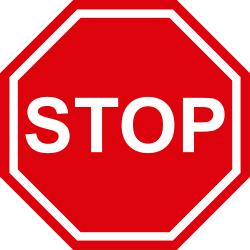 Stop
Stop
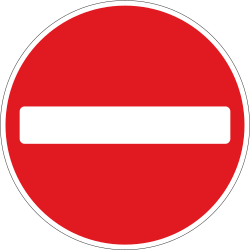 No Entry
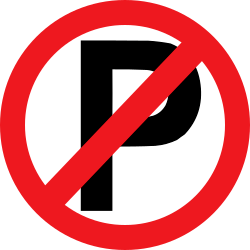 No Parking
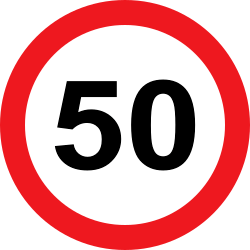 Speed Limit
Important Warning Signs
- School Ahead — Slow down because children may cross the road.
- Sharp Curve — A bend is coming, so reduce speed.
- Pedestrian Crossing — People may cross here, so stay alert.
- Narrow Bridge — The road becomes narrow ahead.
- Slippery Road — The surface may be unsafe, especially in wet weather.
- Railway Crossing — A railway line is ahead.
- Falling Rocks — Rocks or debris may fall onto the road.
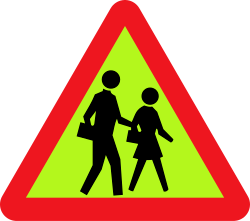 School Ahead
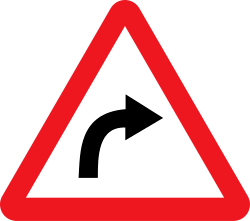 Sharp Curve
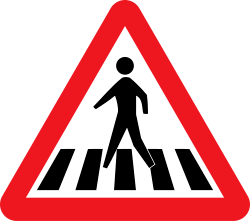 Pedestrian Crossing
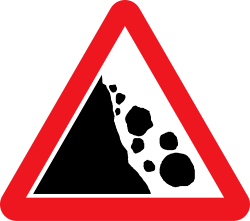 Falling Rocks
Important Informatory Signs
- Hospital — Medical help is nearby.
- Petrol Pump — Fuel station is ahead.
- Parking — Parking is allowed in the marked area.
- Restaurant — Food outlet is nearby.
- Rest Area — A place to stop and rest.
- Direction Board — Shows the route to cities, towns, or local places.
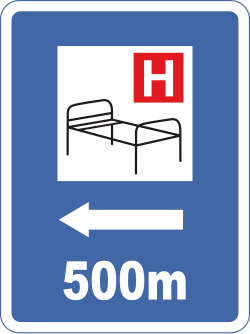 Hospital
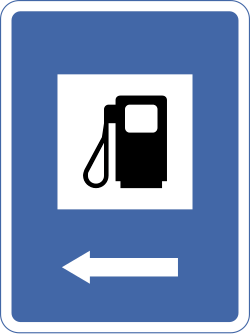 Petrol Pump
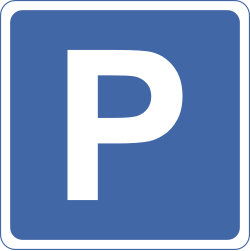 Parking
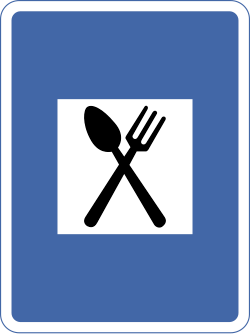 Restaurant
Want to check how well you remember road signs? Test yourself with our free RTO mock test before your real exam — covers all sign types in the exact format used at Indian RTOs.
Start Free Practice Test3. Real-Life Examples to Remember Traffic Signs
A simple real-world example makes a sign much easier to remember. This is especially useful for beginners preparing for the learner licence test.
- If you see a School Ahead sign, slow down because children may be nearby.
- If you see a No Entry sign, do not enter from that side — turn around and find an alternative route.
- If you see a Hospital sign, medical help may be close by — also avoid unnecessary horn use in that zone.
- If you see a Sharp Curve sign, reduce speed well before the bend — not during it.
- If you see a Pedestrian Crossing sign, be careful because people may cross the road — give them priority.
Study method: Try linking each sign with one real road situation. That makes revision faster and exam answers come to you without having to think hard under time pressure.
4. Common Beginner Mistakes in Traffic Sign Questions
Many learners lose marks in the RTO exam because they confuse similar-looking signs or rush through the question without reading it carefully. Avoid these common errors:
The most effective method is to study traffic signs by category. Learn all regulatory signs first, then warning signs, and then informatory signs. This keeps the information organised in your mind and reduces confusion between similar signs.
5. How to Study Traffic Signs for the RTO Exam
If you want to remember traffic signs properly, do not study them only once. Use a short and repeated revision method — consistent daily practice is far more effective than long one-time sessions.
- Study one category at a time — complete regulatory signs before moving to warning signs
- Look at the sign, then say the meaning out loud — hearing yourself reinforces memory
- Revise daily for 10 to 15 minutes — even on the day before the exam
- Use mock tests to check what you actually remember under time pressure
- Review all signs again on the day before your exam as a final check
Follow this simple three-stage revision order:
6. Practice Using an RTO Mock Test
Reading about traffic signs is a good start, but practice is what makes the real difference. A good RTO mock test helps you identify signs faster, remember meanings under time pressure, and significantly reduce mistakes in the real exam.
The best part is that mock tests also help you spot your weak areas. If you keep missing the same sign type repeatedly, you can target that category for extra revision before your actual test day.
Study tip: Start your revision with a mock test and check your score honestly. That is one of the fastest ways to identify exactly what you need to revise — rather than re-reading everything from the beginning.
Why practice matters
- Builds recognition speed and confidence under exam conditions
- Helps you remember signs better through active recall
- Shows clearly where you need more revision before the test
- Prepares you for the exact question format used at the RTO
7. Quick Revision Cheat Sheet
Use this as a last-minute reference before your exam. These are the core visual rules that allow you to identify any sign's category at a glance.
- Red circle with white background — usually a regulatory restriction or prohibition
- Triangular sign (yellow or white background) — usually a warning about a hazard ahead
- Blue or green rectangular board — usually gives information or directions
- Stop sign (red octagon) — stop fully before the stop line, then check and proceed
- No Entry (red circle, white bar) — do not enter from this direction under any circumstances
- School Ahead (triangular) — slow down significantly; children may be crossing
- Hospital (blue/green board) — informatory service sign; avoid unnecessary honking nearby